
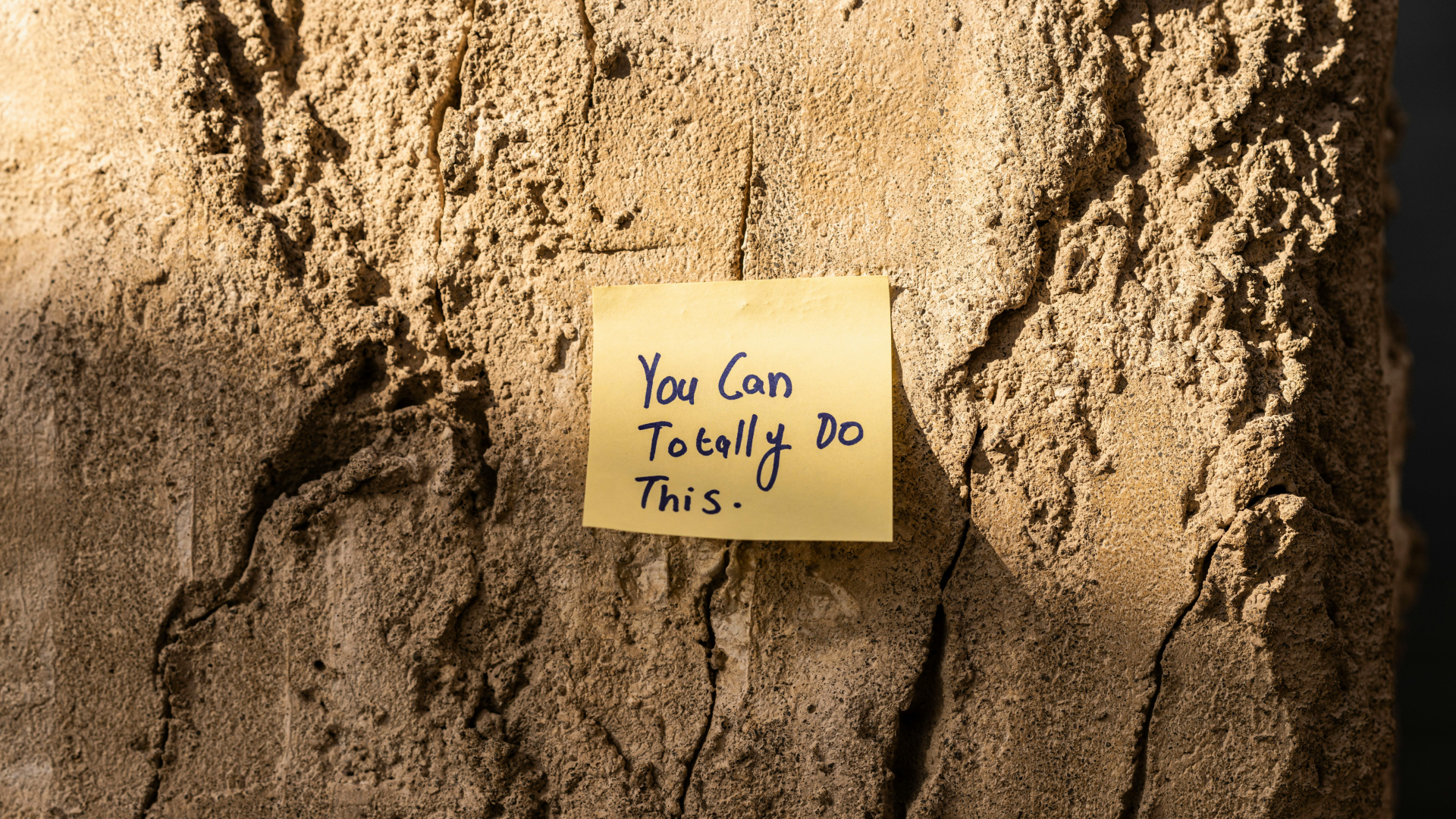
When I started my freelance writing journey, I was unstoppable. I pitched my dream publications with excitement and confidence—until the rejection emails started rolling in. Each “thank you, but no thanks” hit like a punch to the gut. Suddenly, all that confidence I had built vanished, and I started doubting myself.
If you’ve ever faced rejection, failure, or any major life setback—a breakup, a lost job, a health scare—you know that self-doubt creeps in fast. Even exciting life changes like moving to a new city or chasing a big goal can stir up insecurity. But here’s the truth: setbacks don’t define you; how you respond to them does.
When I hit my lowest point, I reached out to a writer friend I admired. They told me something simple but powerful: “It only takes one yes to start your career.” That sentence changed everything for me. I realized that believing in yourself isn’t about never falling—it’s about getting up every single time.
So if you’re struggling to find your confidence again, here are some simple, practical ways to rebuild it and move forward stronger than before.
1. Accept What Happened
When things don’t go your way, it’s easy to get lost in frustration or denial. Maybe you didn’t get the job, the relationship didn’t work out, or your plans fell apart. Instead of fighting the situation, try to accept it as it is.
Acceptance doesn’t mean you’re okay with what happened—it just means you’re ready to face it. Sit with your feelings. Ask yourself how you really feel, without judging it. The more you acknowledge your emotions, the easier it becomes to move through them instead of getting stuck.
When you stop wasting energy on “what ifs,” you free up space to think about “what’s next.” That’s where real healing begins.
2. Be Kind to Yourself
We’re often our own harshest critics. If a friend came to you after failing at something, you’d comfort them—not tear them down. But when it’s us, we go straight into “I’m not good enough” mode.
Start catching that negative self-talk in the moment. If you hear yourself thinking, “I failed because I suck,” pause and reframe it. Try saying, “This is hard right now, but I’m learning.”
Self-compassion isn’t just about being gentle—it’s about being fair to yourself. Everyone makes mistakes. Everyone gets rejected. You’re not alone in this.
3. Lean on People You Trust
It’s tempting to shut everyone out when you’re feeling low, but talking to someone you trust can completely change your perspective. Friends, family, or even a therapist can remind you of your strengths and past wins when you’ve forgotten them.
Sometimes, all you need is someone to listen without judgment. You don’t always need advice—just knowing that someone cares is enough to make you feel grounded again.
4. Do Something That Makes You Happy
When your confidence is shaken, doing something small and fun can help reset your mindset. Watch your favorite movie, take a walk, start a creative hobby, or hang out with people who make you laugh.
These moments of joy aren’t distractions—they’re reminders that you’re more than your setbacks. Taking breaks helps your mind recharge and gives you the strength to come back clearer and stronger.
5. Give Yourself a Hug (Seriously)
It might sound silly, but physical self-compassion works. Wrap your arms around yourself and take a few deep breaths. Feel your chest rise and fall. Tell yourself: “I’m doing my best.”
This simple act can calm your nervous system and remind you that you deserve care—even from yourself.
6. Take a Pause Before Reacting
When emotions are high, our thoughts can spiral fast. Maybe your boss criticizes your work, and you immediately think, “I’m not cut out for this.” Instead of reacting on impulse, take a deep breath and give yourself space.
Once you cool off, you’ll see the situation more clearly. Feedback isn’t failure—it’s an opportunity to grow. Pausing helps you respond from logic, not emotion.
7. Focus on the Positives
Our brains are wired to focus on what went wrong, not what went right. Start training yourself to notice small wins—a kind word from a colleague, a completed workout, or just getting out of bed when you didn’t feel like it.
Write these little wins down. They remind you that progress isn’t always loud. Sometimes, it’s quiet and steady—and that’s just as powerful.
8. Set Small, Realistic Goals
When confidence is low, huge goals can feel overwhelming. Break them into small, doable steps. Instead of saying, “I’ll get 10 new clients,” say, “I’ll reach out to two new clients this week.”
Each small success gives you momentum—and that momentum builds belief. Every step forward, no matter how tiny, counts.
9. Remember: This Too Shall Pass
Rejection and failure feel permanent when you’re in the middle of them—but they never are. Think about past moments when you felt hopeless but eventually got through. You will again.
Try repeating a simple mantra when things get rough, like:
- “This is temporary.”
- “I’ve survived worse.”
- “I’m learning and growing.”
Keep going. Confidence isn’t something you’re born with—it’s something you rebuild, one step at a time.
Final Thoughts
Believing in yourself after failure takes time, but every setback teaches you something valuable. You’ll learn that your worth doesn’t depend on success or approval—it comes from within.
Keep showing up, even when it’s hard. Keep trying, even when you’re scared. Because that’s where confidence lives—not in perfection, but in persistence.