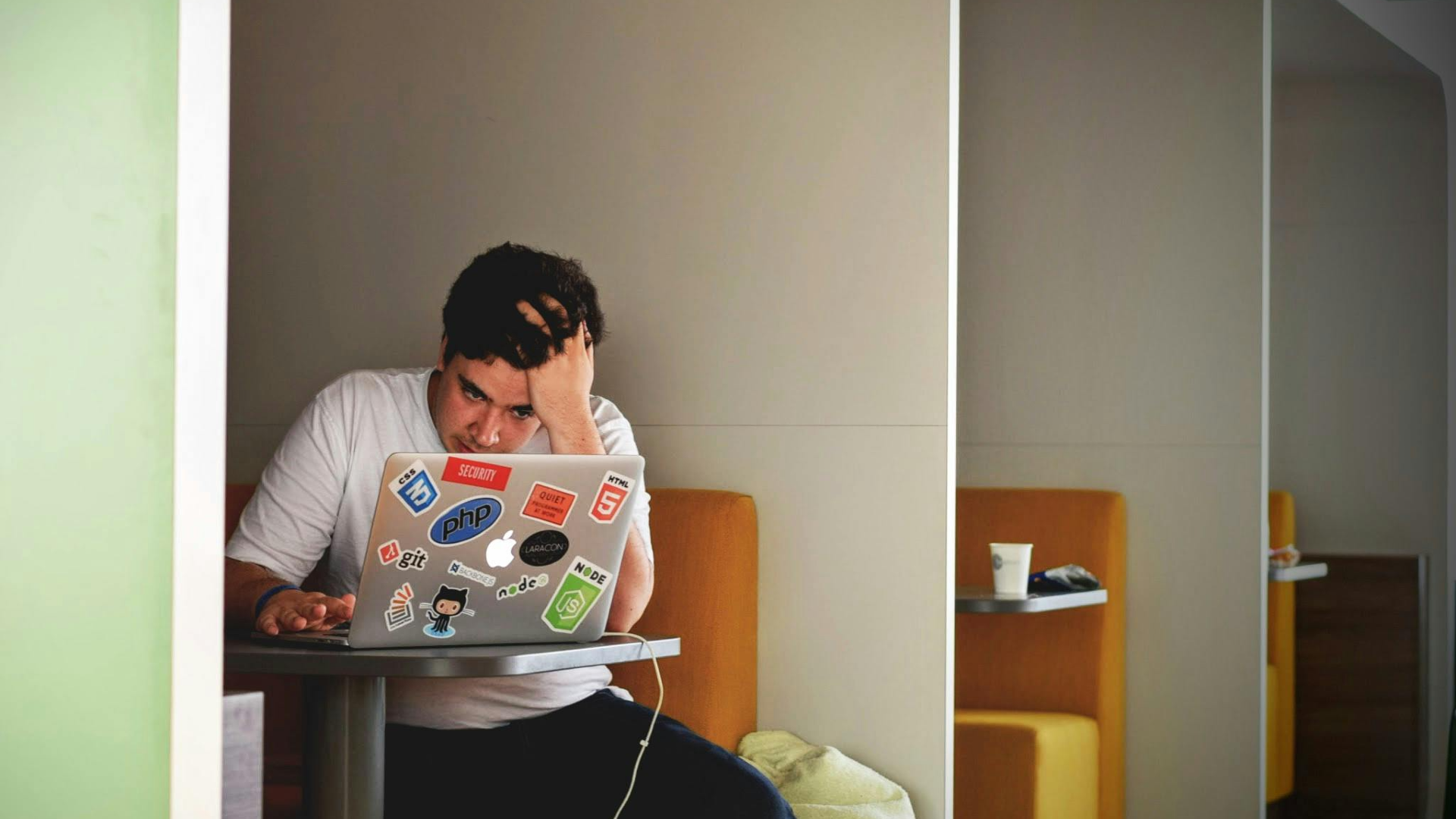
Let’s be honest — these days, we all say things like, “I’m so stressed,” or “I’m feeling anxious,” or “This is too much for me.” But here’s the thing — while these words are often used together, they don’t actually mean the same thing. Stress, anxiety, and overwhelm are like three cousins from the same family — they look similar but behave very differently.
Understanding what each one feels like (and what causes them) can really help you handle things better. Let’s break it down in simple terms.
What is Stress?
If you feel like “being stressed” is your default emotion lately, you’re not alone. Most of us are living under constant pressure — deadlines at work, family responsibilities, bills, and just… life.
Stress basically comes from something real that’s happening right now. Maybe your boss sent a salty email, you had an argument with your partner, or exams are around the corner. Stress needs a reason — it’s tied to a situation that’s currently going on.
Physically, stress can show up as tension in your shoulders, neck pain, or feeling like you’re constantly in “go mode.” If your shoulders are practically touching your ears and your back’s killing you, welcome to Stressville — population: all of us.
How to Deal with Stress
The first step is to actually admit you’re stressed. We often say, “I’m fine” and keep pushing through, but pretending doesn’t help. When you ignore stress, it just grows louder in the background.
Next, try to figure out what’s in your control and what’s not. You can’t control your boss’s reaction, but you can manage your part of the project. Break big tasks into smaller ones. Make a to-do list, plan your day, and celebrate small wins. That structure can make things feel a lot lighter.
And please, don’t forget basic self-care — eat on time, drink water, take small breaks, and sleep well. Sometimes, just getting the basics right can make a huge difference.
If you’ve been stressed for weeks and nothing seems to help, it might be worth talking to a therapist. Long-term stress can harm your health and mental peace — and there’s no shame in getting help.
What is Anxiety?
Anxiety is what happens when your brain starts worrying about things that haven’t happened yet. It’s all the “what ifs” that play on loop in your head — What if I lose my job? What if I fail this exam? What if something goes wrong?
While stress comes from something real and current, anxiety is all about the future — something you imagine might go wrong.
Anxiety feels heavier and more constant. You might notice your heart racing, your stomach feeling weird, or your hands getting sweaty for no real reason. It’s your body’s alarm system acting up even when there’s no real emergency.
How to Handle Anxiety
When anxiety hits, the first thing to do is remind yourself — your thoughts are not facts. Just because your brain says something bad might happen doesn’t mean it will.
Try grounding yourself in the present moment. Breathe in slowly for four counts, and breathe out for four. Focus on your breath or the feeling of your feet touching the floor. This simple act can help your mind come back to “now,” instead of spinning into “what if.”
You can also write your thoughts down in a journal — getting them out of your head helps reduce their power. If you find your anxiety keeps coming back, talk to someone — a friend, family member, or therapist. Sometimes just saying “I’m feeling anxious” out loud can take away half its weight.
What is Overwhelm?
Overwhelm is like when stress and anxiety join forces and throw a full-blown party in your head.
It’s that feeling when you have so much to do that you can’t do anything at all. You might either start running around doing a hundred things at once (and finishing none), or freeze and stare at your to-do list without moving an inch.
Overwhelm often happens because we live in a culture that glorifies “being busy.” Everyone’s hustling — working late, multitasking, chasing goals — and somewhere along the way, we forget to rest. But when your body and mind hit their limit, overwhelm takes over.
How to Cope with Overwhelm
When everything feels too much, stop. Take a break. The world won’t end if you rest for a while.
If you can, step outside for some air or take a short walk. Focus on something simple and real — like your breathing, the sound of birds, or even your feet on the ground. This helps calm your mind.
Then, pick one tiny thing to do — maybe just clean your desk, reply to one email, or fold one piece of laundry. Small actions can slowly build momentum and help you feel more in control.
And again, basic self-care matters more than you think — sleep, eat, hydrate, and disconnect from your phone when needed. If you feel stuck for too long, reach out to a mental health professional. Talking to someone trained to help can make a world of difference.
The Bottom Line
Stress, anxiety, and overwhelm can feel similar — like you’re constantly under pressure and can’t catch a break. But understandi